
ACTIVATION · PRODUCT THINKING
Mobile app onboarding: design the first useful result.
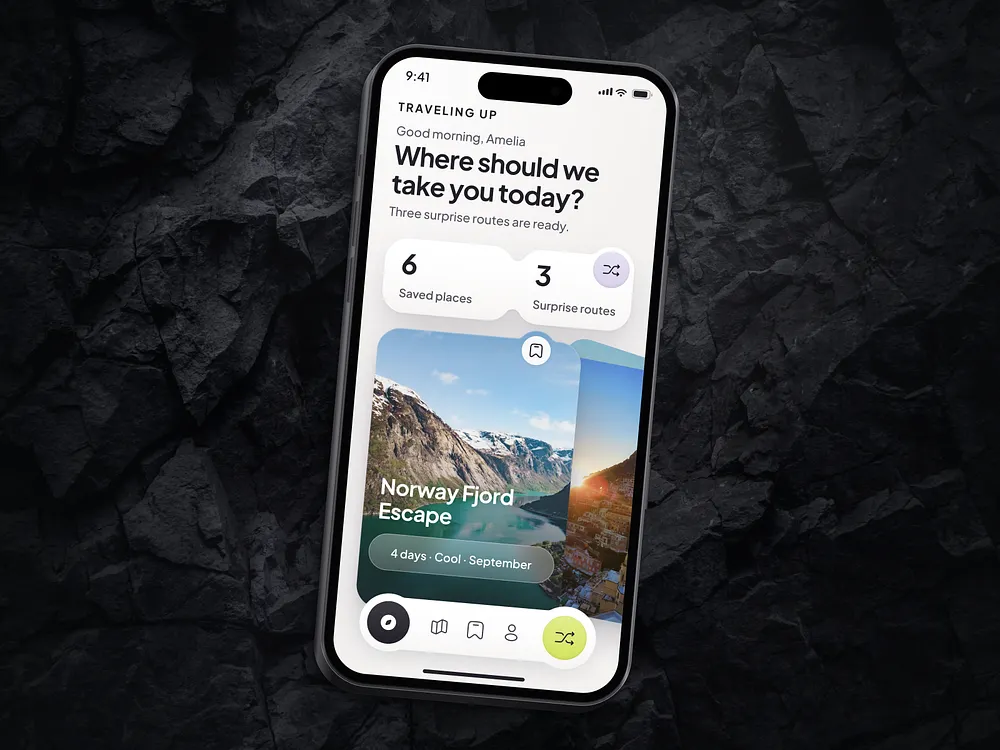
Mobile app onboarding should lead people to a useful first result. Define that result, remove steps that do not help users reach it, and measure whether the first session delivers the value promised before signup.
A first session needs a destination.
An onboarding flow can be visually polished and still leave people wondering what to do next. Start by defining the first useful result someone should reach: a relevant plan, a captured idea, a completed lesson, or a recommendation they can act on.
Keep the promise from the first click.
Look at the message that brought someone into the app. If they arrived for a personalized plan, the first session should help them reach that plan. Account creation, permissions, and preference questions need a clear role in getting there.
Ask for information when it becomes useful.
Review each question and permission request. What changes in the experience because of the answer? Could the app offer an initial result with less effort? Move questions that do not affect that first result to a more relevant moment.
Make the next action easy to understand.
Give the first useful screen a clear priority. People should understand what they have received, why it is relevant, and what to do next. Supporting actions can stay available without competing for attention.
Define what you will learn after launch.
Agree on a meaningful activation event and examine the path toward it. Track where people leave, how long the first result takes, and whether activated users return. A redesign is a hypothesis; real behavior tells you what to improve next.
A first-session focus in practice.
Anna’s work on Coopah concentrated on the first-session experience: helping new runners understand the app and get started. That scope is narrower than a full app redesign. The team has since changed parts of the interface, so the current App Store screens are product context, not a record of the original work.
What should an onboarding review check?
- The promise: compare the acquisition message with the first useful result inside the app.
- The effort: identify which questions, permissions, and account steps are needed before that result.
- The evidence: define the activation event, time to value, and the next-session behavior you will review after launch.
For example, a travel app promising a personalized plan can show a useful itinerary before asking for preferences that do not change the first recommendation. Treat this as a design hypothesis to test with your audience.
See Asol Design’s onboarding and first-session design service or explore the diagnostic consultation process.
Explore mobile app gamification and retention
Considering a product engagement? Explore our mobile product strategy and app consulting.